


sodium saccharin
In the complex and vast pharmaceutical system, although pharmaceutical excipients are often hidden behind the active ingredients of drugs, they play an indispensable role in the drug research and development, production, and clinical application processes. Saccharin sodium, as a common pharmaceutical excipient, holds an important position in the pharmaceutical field due to its unique properties.
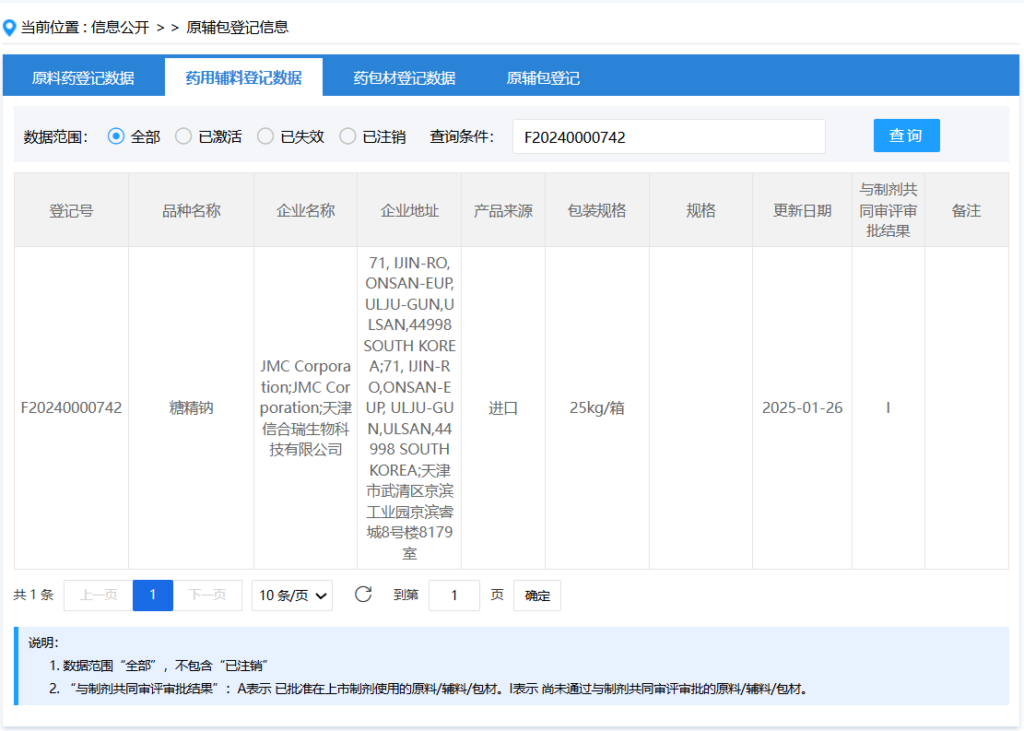
On January 26, 2025, the pharmaceutical excipient saccharin sodium, which is under the agency’s management of XHR , successfully completed the filing review by the China’s Drug Evaluation Center,NMPA(CDE). The CDE registration number is F20240000742.
The unique “sweetness” messenger
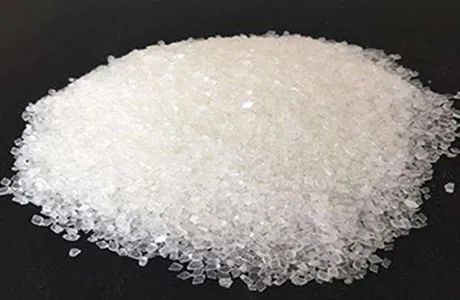
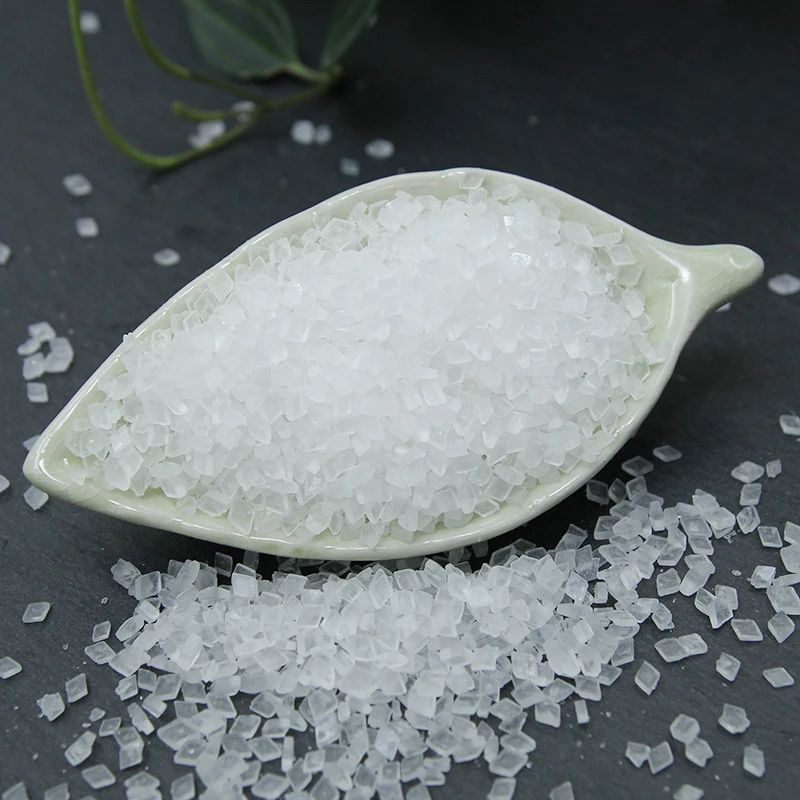
Saccharin sodium – the chemical name is sodium 4′-benzenesulfonamide, is an artificial synthetic sweetener. Its sweetness is as high as 300 – 500 times that of sucrose, and it has almost zero calories. This characteristic gives it significant advantages in the fields of medicine and food where there are strict requirements for sweetness and precise control of calorie intake. Saccharin sodium appears as a white crystalline powder, odorless or with a slight aroma, and has good solubility in water. These physical and chemical properties provide the necessary conditions for its application in formulations.
Physical and chemical Properties
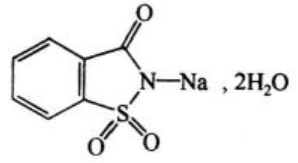
Saccharin sodium – Its chemical formula is C7H4NNaO3S▪2H2O. It usually contains two molecules of crystalline water and appears as a colorless crystal. It is prone to weathering and loses about half of its crystalline water, turning into a white powder. Its sweetness is 200 to 500 times that of sucrose, typically 300 times. The sweetening index is approximately 0.00048%. It is easily soluble in water and slightly soluble in ethanol. The aqueous solution is slightly alkaline. Its thermal stability in the aqueous solution is better than that of saccharin. It remains unchanged after heating at 100℃ for 2 hours. The sweetness gradually decreases when the aqueous solution is left for a long time.
Extensive application, ubiquitous presence
Improve the taste of the medication
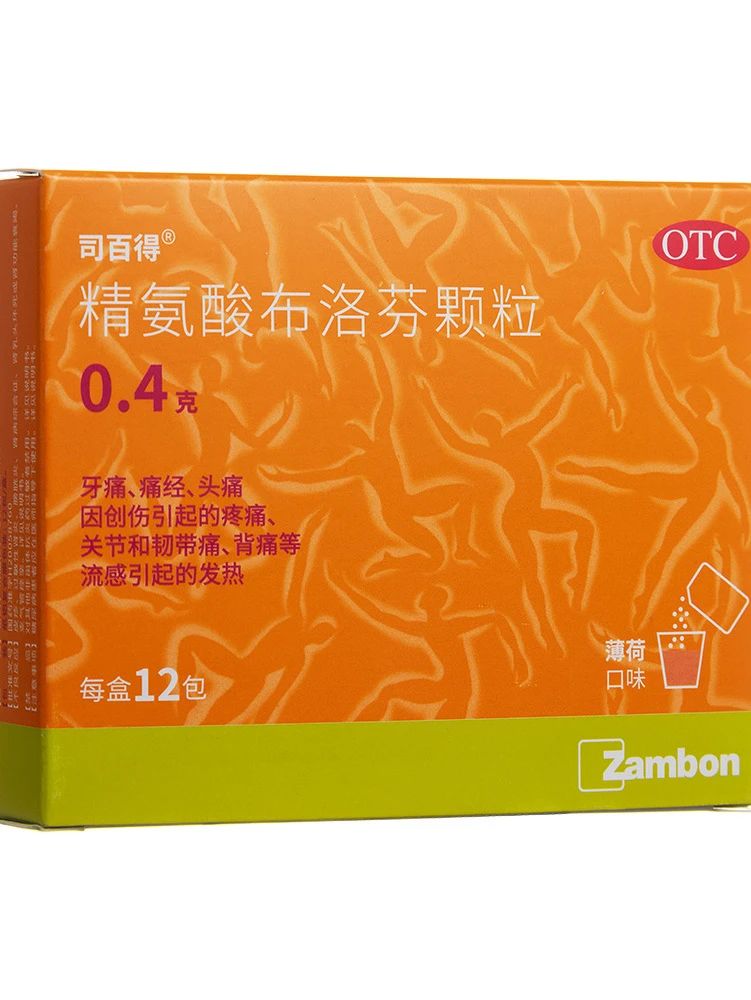
Application : Used in oral liquids, syrups, granules and chewable tablets of bitter-tasting drugs (such as antibiotics, cough medicines, and vitamin preparations).
Theory: Sodium saccharin’s sweetness can mask the unpleasant flavors of the drugs, such as bitterness, astringency or metallic taste.
Effect: Improves patients’ compliance in taking the drugs, especially in children and the elderly population, where the effect is particularly prominent.
Excipients for diabetic patients
Application : Used for special drug preparations for diabetic patients, such as hypoglycemic drugs and diabetes nutritional supplements.
Theory: Saccharin sodium is almost not metabolized by the human body and does not affect blood sugar levels. It is an ideal sweetener choice for diabetic patients.
Effect: Provides a sweet taste experience while avoiding the intake of additional calories or affecting blood sugar.
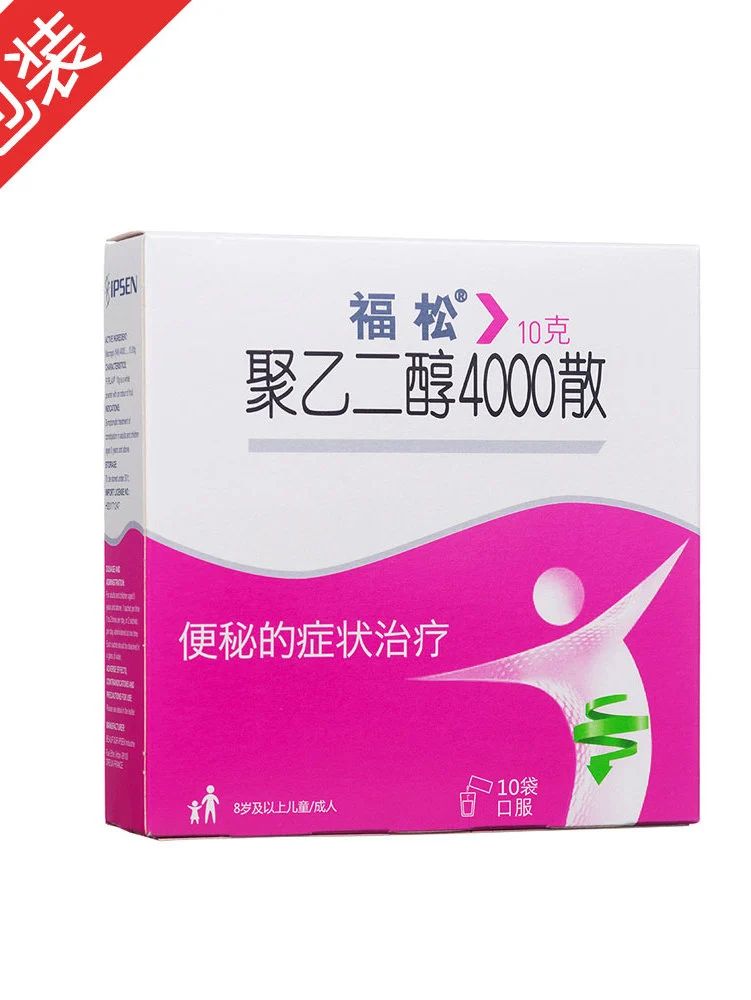
Low-calorie drug formula
Application: Weight loss drugs, dietary supplements, and other low-calorie preparations.
Theory: Saccharin sodium has extremely high sweetness and a very small dosage, which will not significantly increase the calorie content of the drug.
Effect: Meet health needs while maintaining a good taste.
Coating materials for tablets and capsules
Application: As an excipient in the outer coating of tablets or capsules, especially for chewable tablets or soluble films.
Theory: The saccharin sodium in the coating layer provides sweetness and improves the taste experience during the administration of the drug.
Effect: It masks the unpleasant odor or taste of the tablets, enhancing the market acceptance of the medicine.
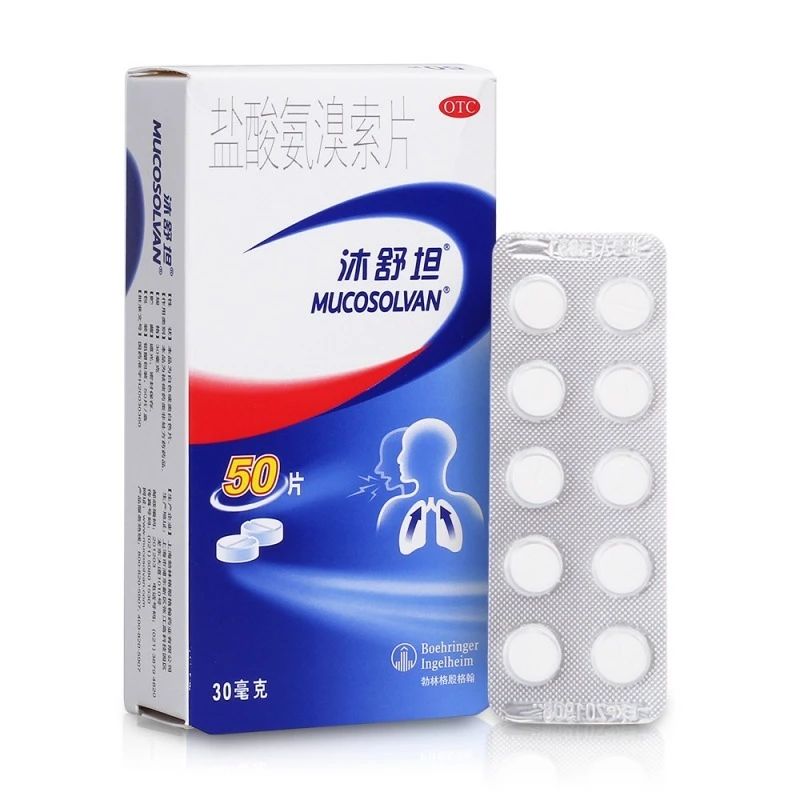
The main components of chewable tablets and lozenges
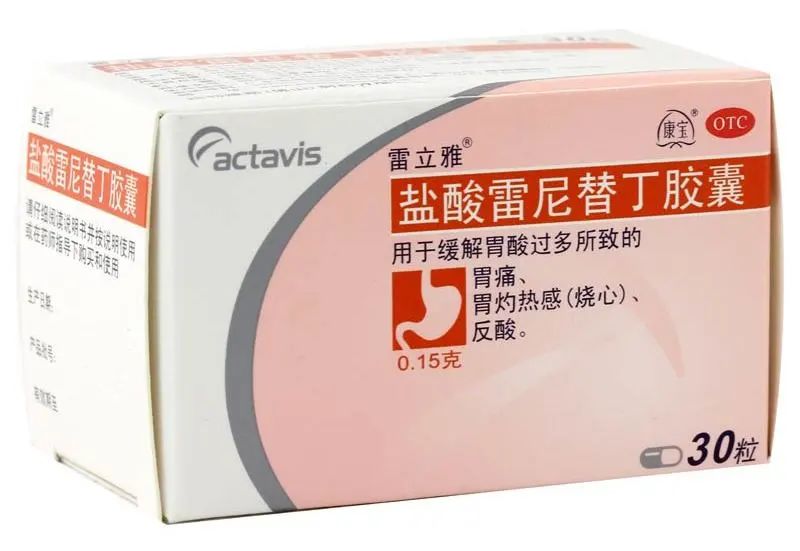
Application: For chewable tablets, lozenges and effervescent tablets and other preparations that need to remain in the mouth for a long time.
Theory: Saccharin sodium dissolves quickly in the mouth and releases sweetness rapidly, while not easily causing tooth decay.
Effect: Enhances patients’ perception of the drug’s effectiveness and improves the treatment experience.
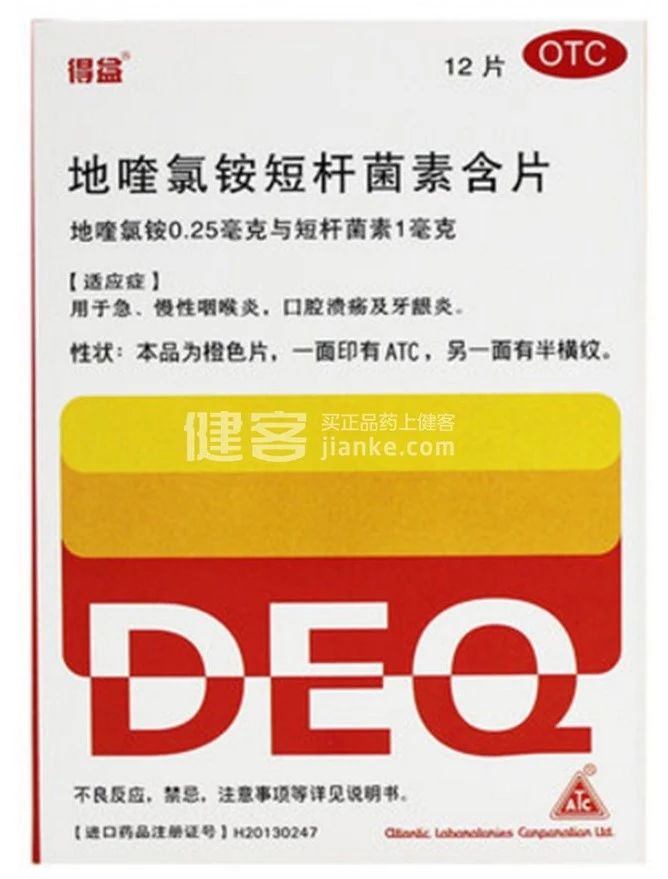
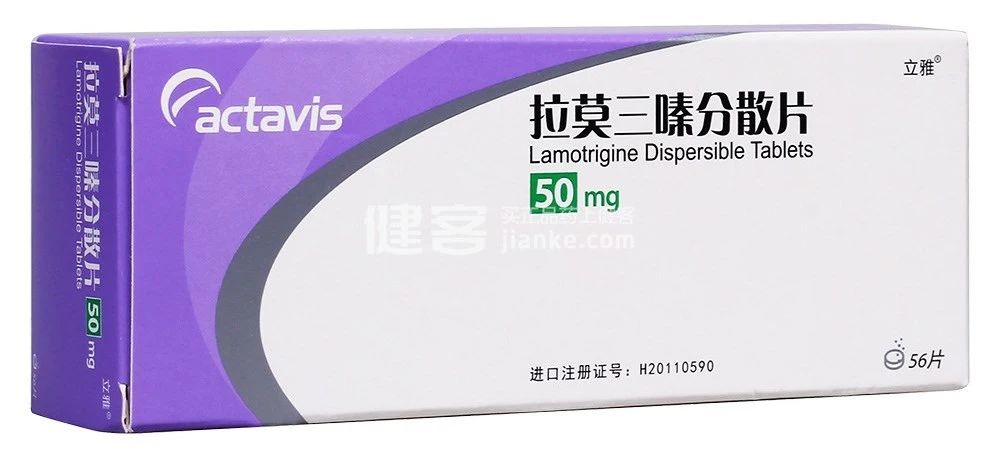
Sweeteners in oral preparations
Application: In oral liquids, it is used to enhance the sweetness or stability of the formulation.
Theory: Sodium saccharin provides sweetness and can mask the bitterness or metallic taste of certain active ingredients.
Effect: Improves the taste of the medicine and enhances palatability.
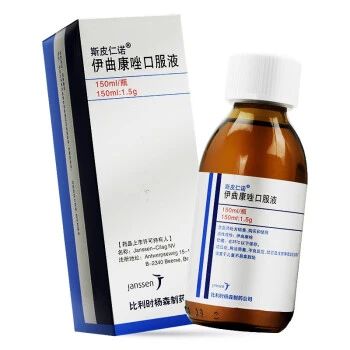
Additives for animal drugs
Application: Used in veterinary drug preparations, such as pet medications and feed additives.
Theory: The sweet taste of sodium saccharin can attract animals to consume the drugs, thereby increasing the compliance of the drugs.
Effect: Ensures the smooth intake of veterinary drugs and enhances their efficacy.