


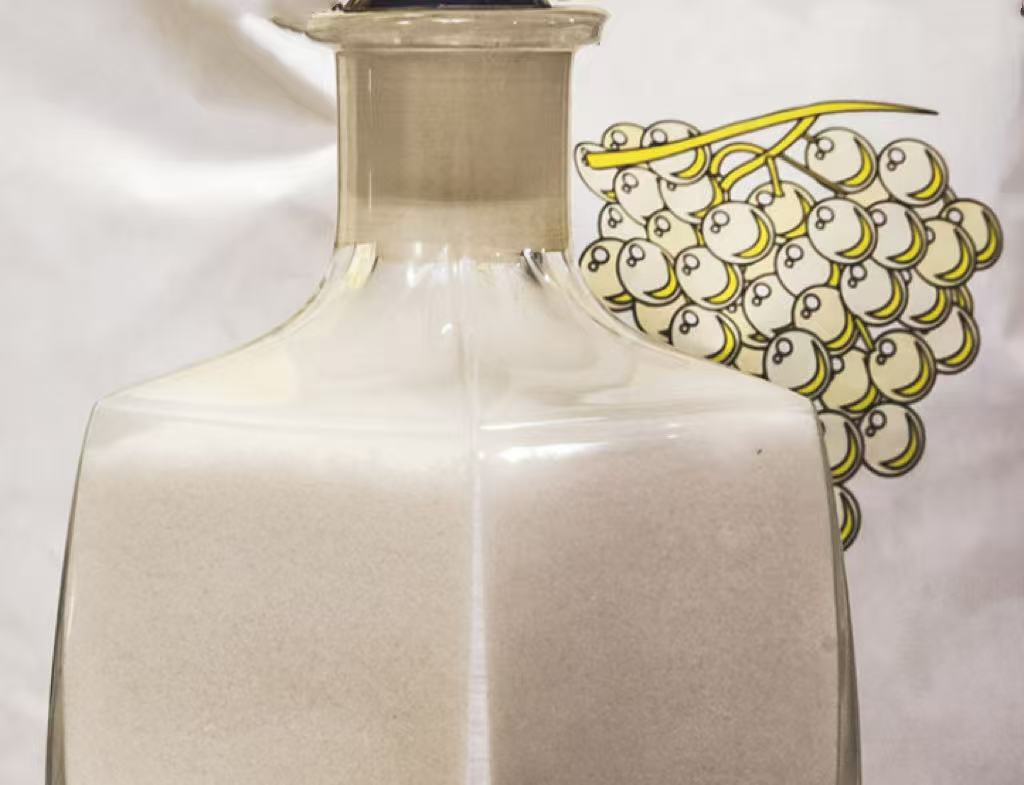
Tartaric Acid
[Alias] 2,3-Dihydroxybutanedioic Acid, Dihydroxysuccinic Acid
[Molecular Formula] C4H6O6
[Structural Formula] HOOC(CHOH)2COOH
[Source] The raw material for producing natural tartaric acid is calcium tartrate, which is converted into natural tartaric acid through reaction with sulfuric acid and water.
[Properties] Tartaric acid molecule contains two identical asymmetric carbon atoms, thus having three optical isomers, one racemate, and one optical isomer:
L-Tartaric Acid or D-Tartaric Acid: Colorless monoclinic crystals with a relative density of 1.7598 and a melting point of 168~170°C. Its specific rotation is -12.0° (20g dissolved in 100g of water).
D-Tartaric Acid or L-Tartaric Acid: Colorless monoclinic crystals with a relative density of 1.7598 and a melting point of 168-170°C. Its specific rotation is +12.0° (20g dissolved in 100g of water). Natural tartaric acid is D-tartaric acid, which exists in various fruits but is only abundant in grapes.
Meso-Tartaric Acid or meso-form: Colorless flaky crystals belonging to the triclinic system. It has a relative density of 1.666 and a melting point of 140°C. It does not exist in nature and is usually prepared by heating D-tartaric acid with alkali. It is easily soluble in water, soluble in ethanol, and slightly soluble in ether.
Racemate, namely Racemic Tartaric Acid or DL-Tartaric Acid: Colorless monoclinic crystals or crystalline powder. It is usually a hydrate with a relative density of 1.697 and a melting point of 206°C (anhydrous form). The hydrate dehydrates at 110°C. It is soluble in water and ethanol, slightly soluble in ether, and insoluble in benzene. Racemic tartaric acid is the most produced in industry, with strong hygroscopicity and reducibility. It can be converted into oxalic acid when encountering strong oxidants, and decomposes into pyrotartaric acid and caramel glucose when heated above its melting point.
“The Versatile All-Rounder” in the Pharmaceutical Field
Acid-Base Regulator
In pharmaceutical formulations, maintaining an appropriate pH is crucial for the stability, efficacy, and safety of drugs. Tartaric acid has a certain acidity and can be used as an acid-base regulator.
For example, in some injections, adding an appropriate amount of tartaric acid can adjust the pH value of the solution, placing the drug in a stable chemical environment, and preventing the drug from degradation, precipitation, and other phenomena caused by improper pH values, thereby ensuring the quality and efficacy of the drug.
Flavoring Agent
Many drugs have a bitter and unpleasant taste, which can affect patients’ medication adherence, especially in special populations such as children and the elderly. Tartaric acid has a pleasant sour taste that can mask the bad odor and taste of drugs and improve their palatability.
In some oral solutions, chewable tablets and other formulations, adding tartaric acid can make the drugs more acceptable to patients and enhance medication compliance.
Chelating Agent
The tartaric acid molecule contains multiple hydroxyl and carboxyl groups, which can form stable complexes with metal ions. In pharmaceutical formulations, certain metal ions may catalyze reactions such as oxidation and hydrolysis of drugs, leading to drug deterioration.
As a chelating agent, tartaric acid can bind to these metal ions, reduce the impact of metal ions on drug stability, and extend the shelf life of drugs.
For example, adding tartaric acid to some pharmaceutical formulations containing metal ions can improve the stability and quality of the drugs.
Disintegrant
In solid dosage forms such as tablets and capsules, the function of a disintegrant is to promote the rapid disintegration of the formulation in the body and release the drug.
Tartaric acid can form an acid-base disintegration system with alkaline substances such as sodium bicarbonate.
When the solid dosage form comes into contact with aqueous media such as gastric juice, tartaric acid reacts chemically with sodium bicarbonate to produce carbon dioxide gas. These gases can cause the tablets or capsules to expand and disintegrate rapidly, accelerating the dissolution and absorption of the drug.
Application in Marketed Formulations
Ambroxol Hydrochloride and Clenbuterol Hydrochloride Oral Solution
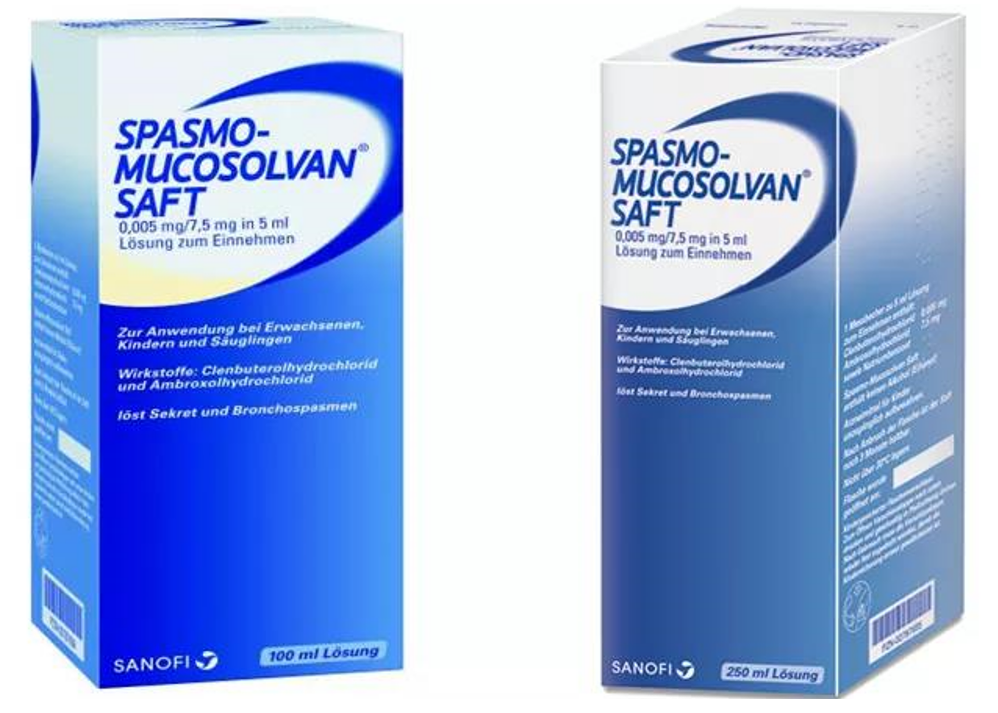
Indications: Used for the treatment of cough, thick sputum, difficulty in expectoration, wheezing, etc., caused by acute and chronic respiratory diseases (such as acute and chronic bronchitis, bronchial asthma, emphysema, etc.).
Inactive Ingredients: Sodium Benzoate, Sorbitol Solution 70% (Non-crystalline), Propylene Glycol, Sucrose, Tartaric Acid, Glycerin 85%, Pomegranate Syrup Flavor, Purified Water.
Upadacitinib Sustained-Release Tablets
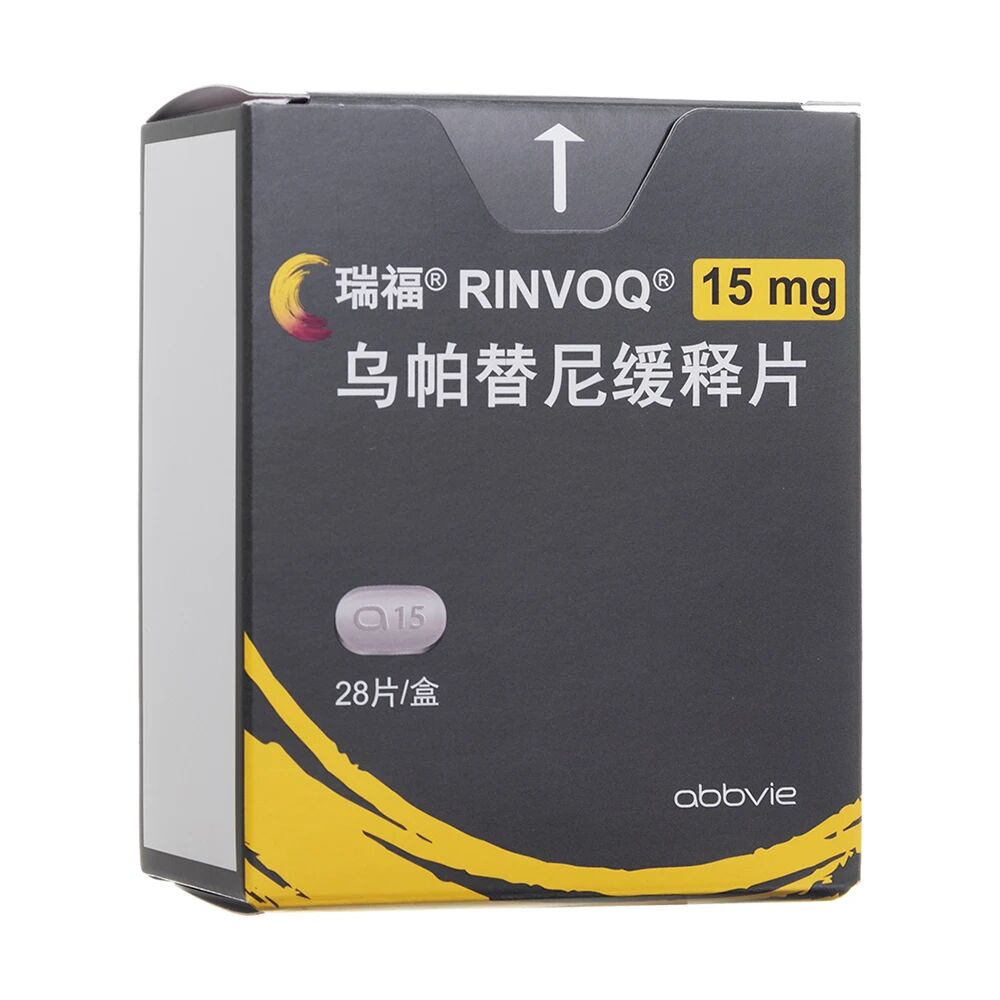
Indications: Atopic Dermatitis, Rheumatoid Arthritis, Psoriatic Arthritis
Inactive Ingredients: Microcrystalline Cellulose, Hypromellose, Mannitol, Tartaric Acid, Colloidal Anhydrous Silica, Magnesium Stearate; Polyvinyl Alcohol, Polyethylene Glycol, Talc, Titanium Dioxide
Loxoprofen Sodium Gel Patch
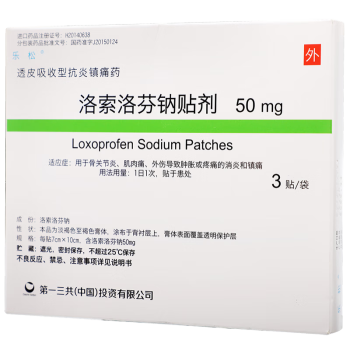
Indications: Has anti-inflammatory and analgesic effects on the following diseases and symptoms: Osteoarthritis, muscle pain, swelling, and post-traumatic pain.
Inactive Ingredients: Peppermint Oil, Polysorbate 80, Titanium Dioxide, Tartaric Acid, Disodium Edetate Hydrate, Glycerin, Sodium Carboxymethylcellulose, Talc, Dried Aluminum Hydroxide Gel, Crotamiton, Partially Neutralized Polyacrylic Acid